Welcome to the digital edition of the Chronicle of Melrose Abbey!
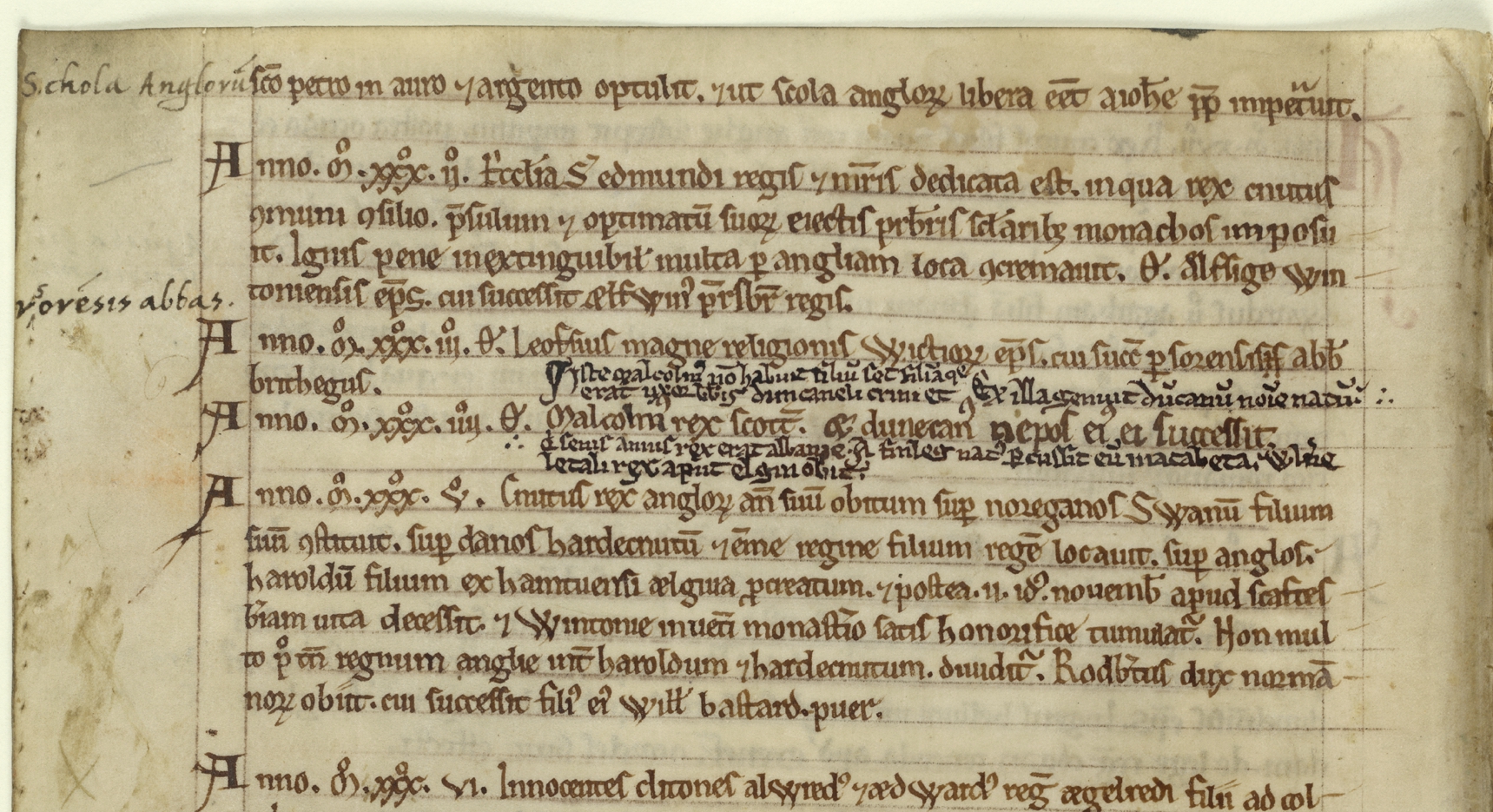
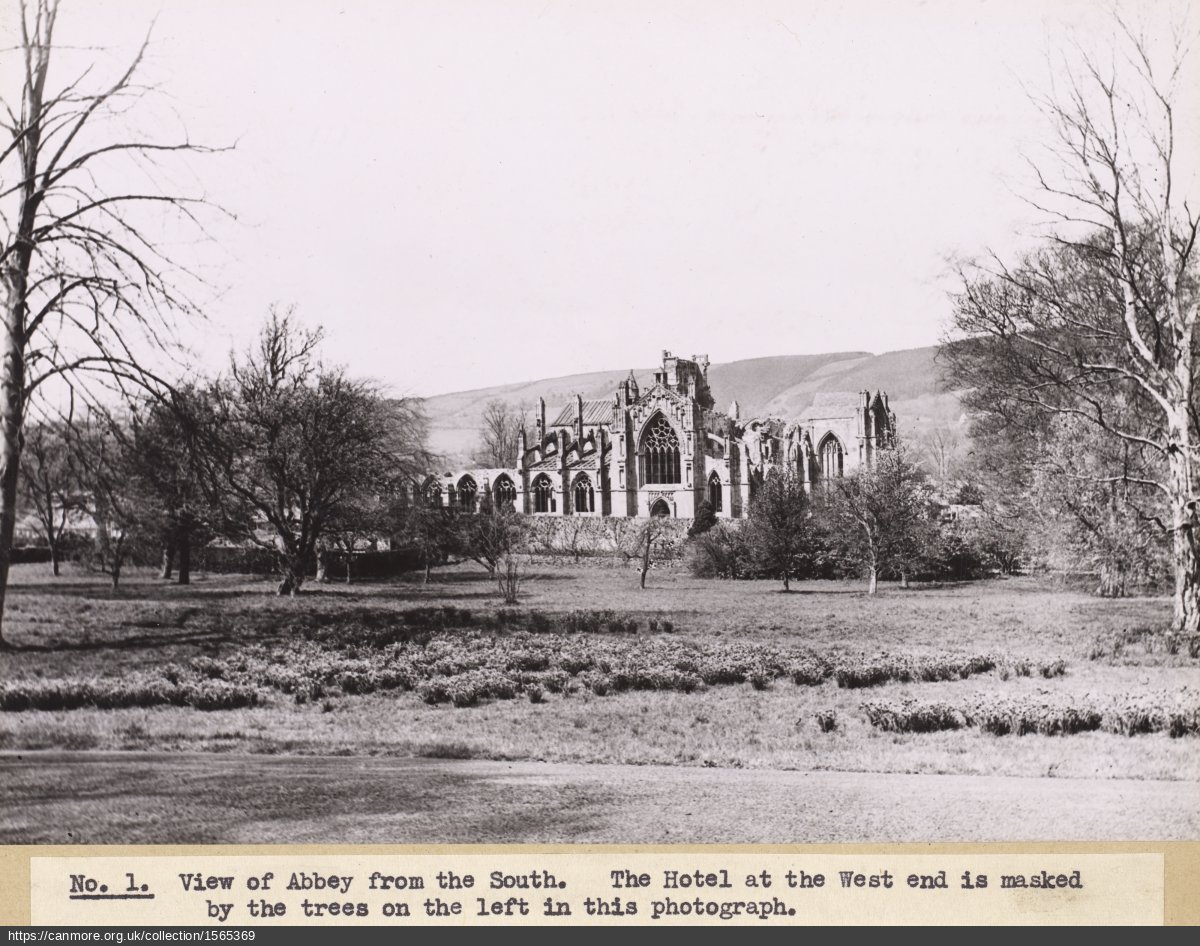
Melrose Abbey is one of Scotland’s greatest Cistercian houses, founded by King David I in 1136 in the Scottish borders. The Chronicle of Melrose is the principal chronicle source for Scotland in central middle ages. The manuscript was created in the 12th century, and received additions throughout the 13th century and beyond.
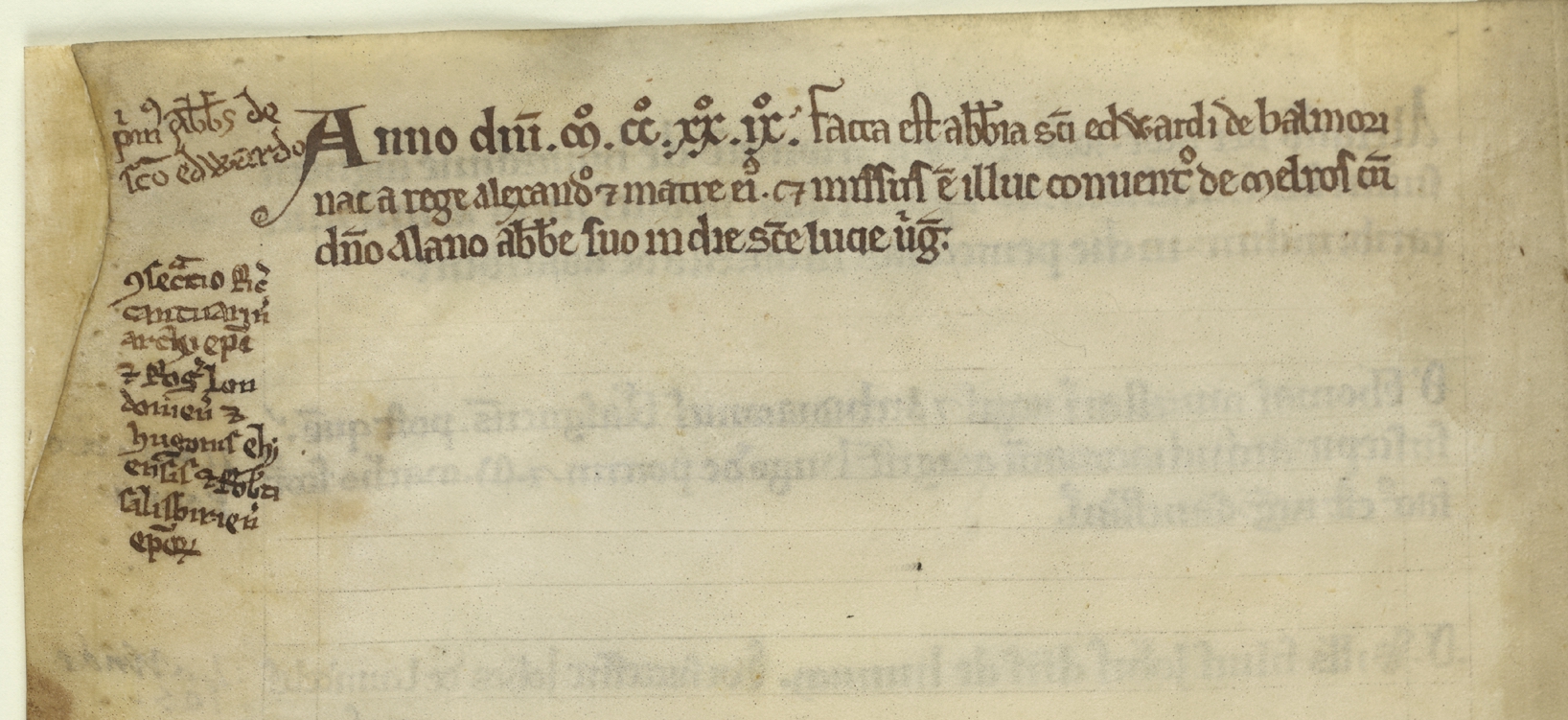
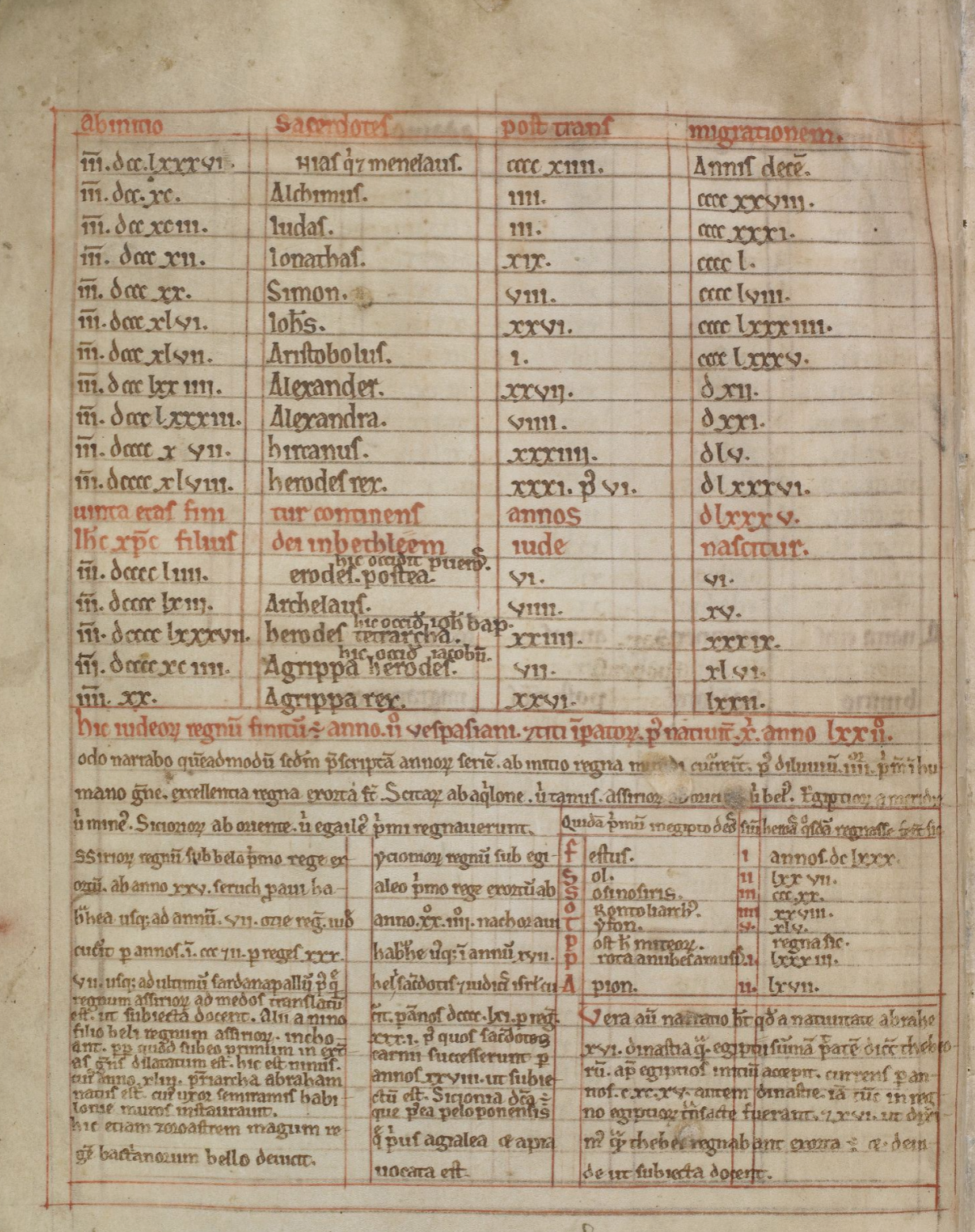
The chronicle’s contents span from the year AD 1 through to the 1270s (with a gap from 250 to 730), plus an assortment of other texts including letters, king-lists, lists of burials at the abbey, verses on Scottish kings, and a ‘little work’ on Simon de Montfort (d. 1265). The manuscript now survives in two parts: London, British Library Cotton MSS Julius B XIII ff. 2–47 and Faustina B IX ff. 2–75 (read more about the manuscripts here).
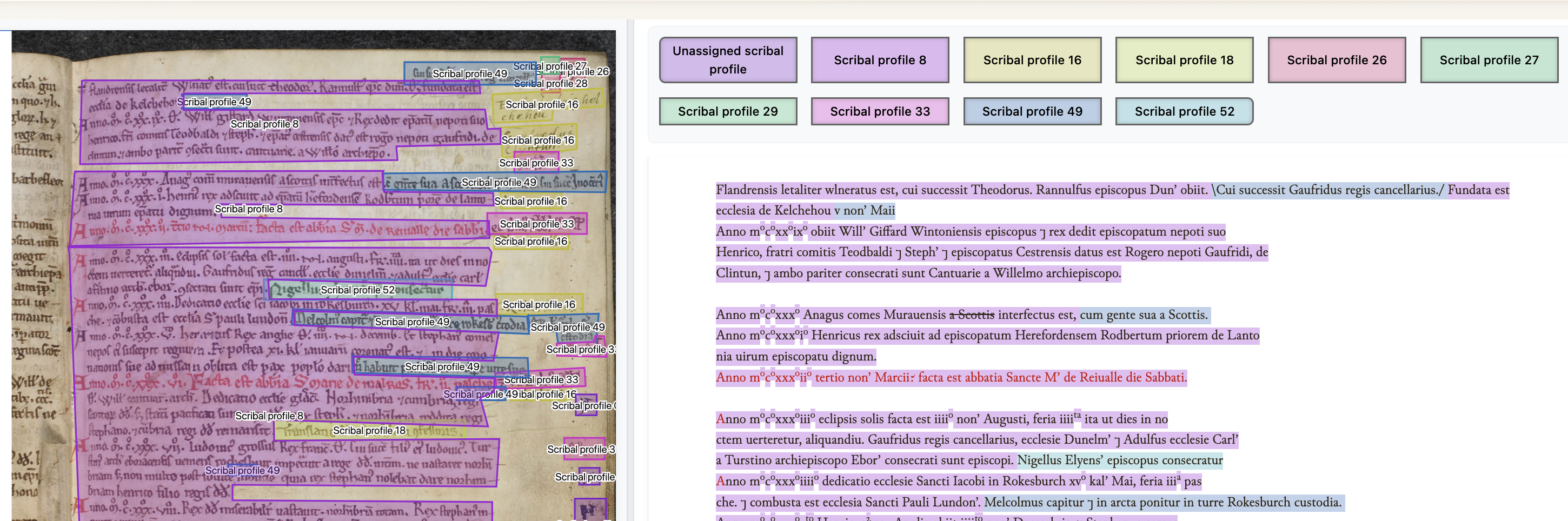
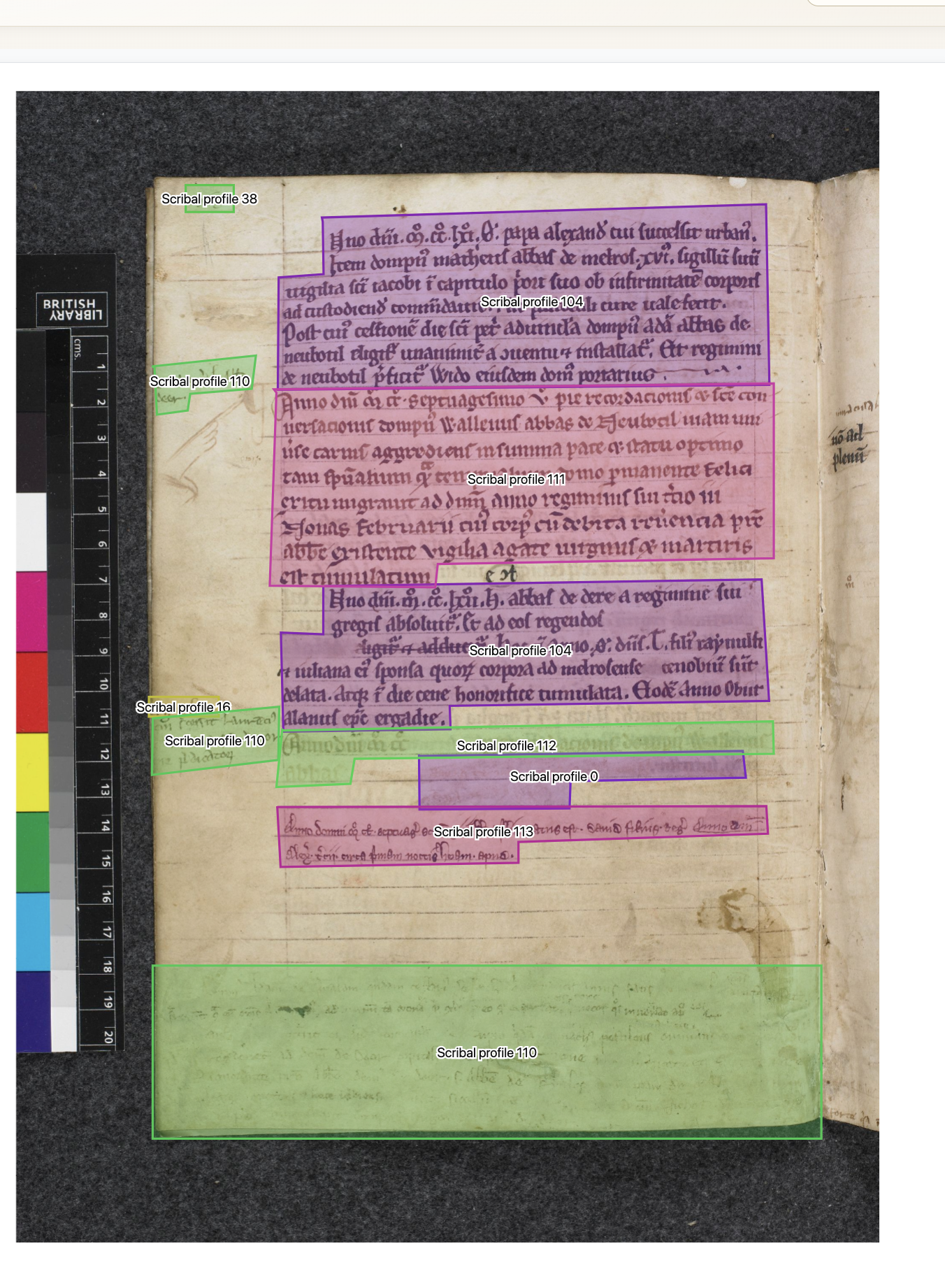
The chronicle is a spectacular example of a ‘multi-scribe’ text that grew in a piecemeal way across a number of generations. Chronicles like Melrose’s are sometimes read as a single ‘text’ which reflect an ‘official’ institutional view. When we look at the original manuscript, however, many different voices can be heard.
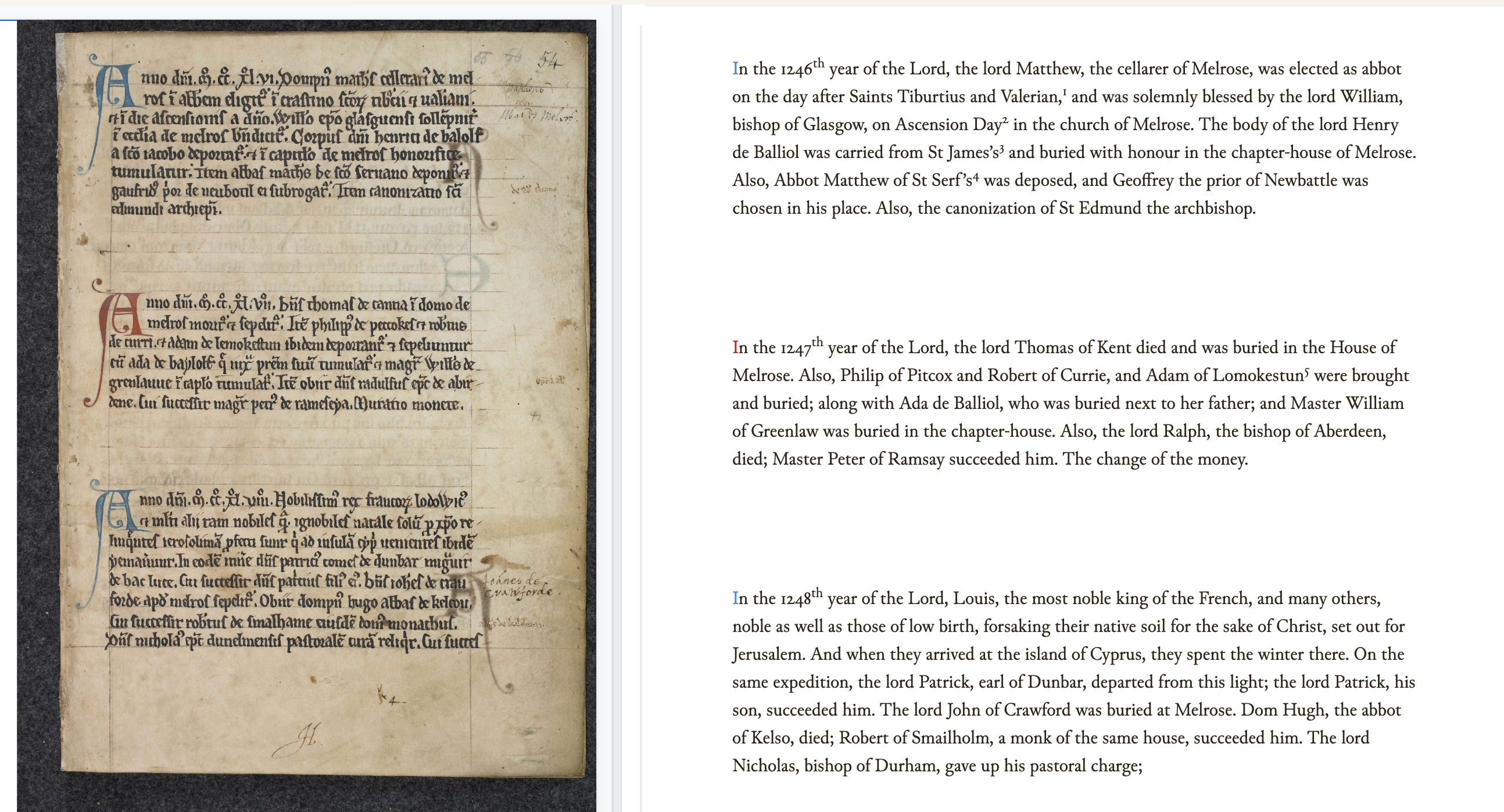
The core aim of the edition is to foreground the chronicle’s multi-scribe nature so that its piecemeal growth can be visualised and the agency of the scribes further investigated. It offers users a ‘scribe-centred’ reading of the text (read more about the edition's aims here).
This edition is the outcome of a project funded by the Arts & Humanities Research Council (Grant ref. AH/W010216/1) which ran from 1 January 2023 – 31 August 2026. The website is hosted by the University of Glasgow. Images have been provided courtesy of The British Library. (Read more about the project team here.)
Author: Jo Tucker
Last updated: 07/06/2026